Teorías Arquitectónicas
Universidad Mayor. Facultad de Ciencias Sociales y Artes. Escuela de Arquitectura
Docente / Teacher: Oscar Aceves Álvarez.
Ayudante / Assistant: Nicolás Pino.
Curso / Course: 2025-S2 | 2024-S2
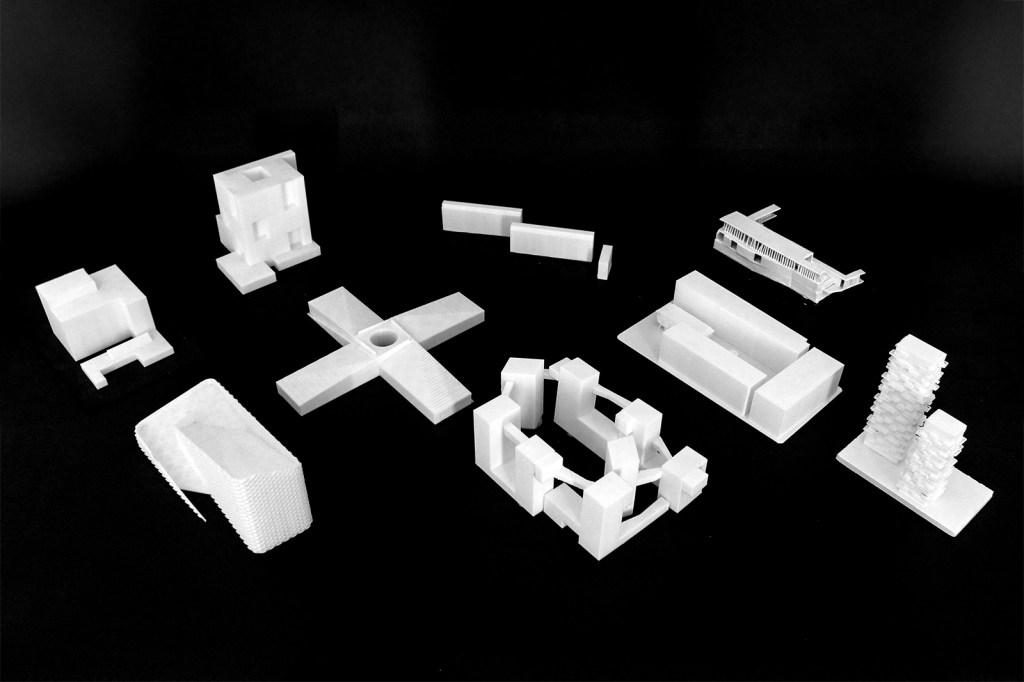
Teorías arquitectónicas es una asignatura teórico-práctica del ciclo 1, perteneciente al área de formación básica, que aborda el estudio de las principales teorías y líneas de pensamiento de la arquitectura a lo largo de la historia, con énfasis en la arquitectura y la ciudad contemporánea. El curso propone comprender las procedencias, relaciones e interpretaciones de estos discursos mediante el análisis crítico de obras y autores, y se estructura a partir de la categorización propuesta por Fiel Hearn en ‘Ideas que configuran edificios’: Convenciones, dedicada a las teorías anteriores a 1800, desde la Antigüedad hasta la Ilustración; Principios, centrada en las teorías desarrolladas entre 1800 y 1965, incluyendo el siglo XIX, las vanguardias, el Movimiento Moderno y su crisis; y Circunvoluciones, orientada al estudio de las teorías surgidas desde la crisis de la modernidad, el período posmoderno y el contexto arquitectónico contemporáneo del siglo XXI. El principal objetivo del curso es que las y los estudiantes desarrollen la capacidad de reconocer e interpretar las teorías, narrativas y discursos que condicionan, orientan o justifican buena parte de la práctica arquitectónica contemporánea.
Architectural Theories is a first-year theoretical and practical course within the basic training area. It addresses the study of the main theories and lines of thought in architecture throughout history, with an emphasis on contemporary architecture and the city. The course aims to understand the origins, relationships, and interpretations of these discourses through the critical analysis of works and architects. It is structured according to the categorization proposed by Fiel Hearn in ‘Ideas that shape buildings’: Conventions, dedicated to theories prior to 1800, from Antiquity to the Enlightenment; Principles, focused on theories developed between 1800 and 1965, including the 19th century, the avant-garde, the Modern Movement, and its crisis; and Convolutions, oriented toward the study of theories that emerged from the crisis of modernity, the postmodern period, and the contemporary architectural context of the 21st century. The main objective of the course is for students to develop the ability to recognize and interpret the theories, narratives and discourses that condition, guide or justify much of contemporary architectural practice.
 Oscar Aceves Álvarez