Fundamentos de la Arquitectura
Universidad Diego Portales. Facultad de Arquitectura, Arte y Diseño. Escuela de Arquitectura
Docente / Teacher: Daniel Concha, Francisco Cardemil, Manola Ogalde, Oscar Aceves Álvarez.
Ayudante / Assistant: Igor Arias, Valentina Ribó, Ignacia Becker, Francisca Fernández.
Curso / Course: 2025-S1
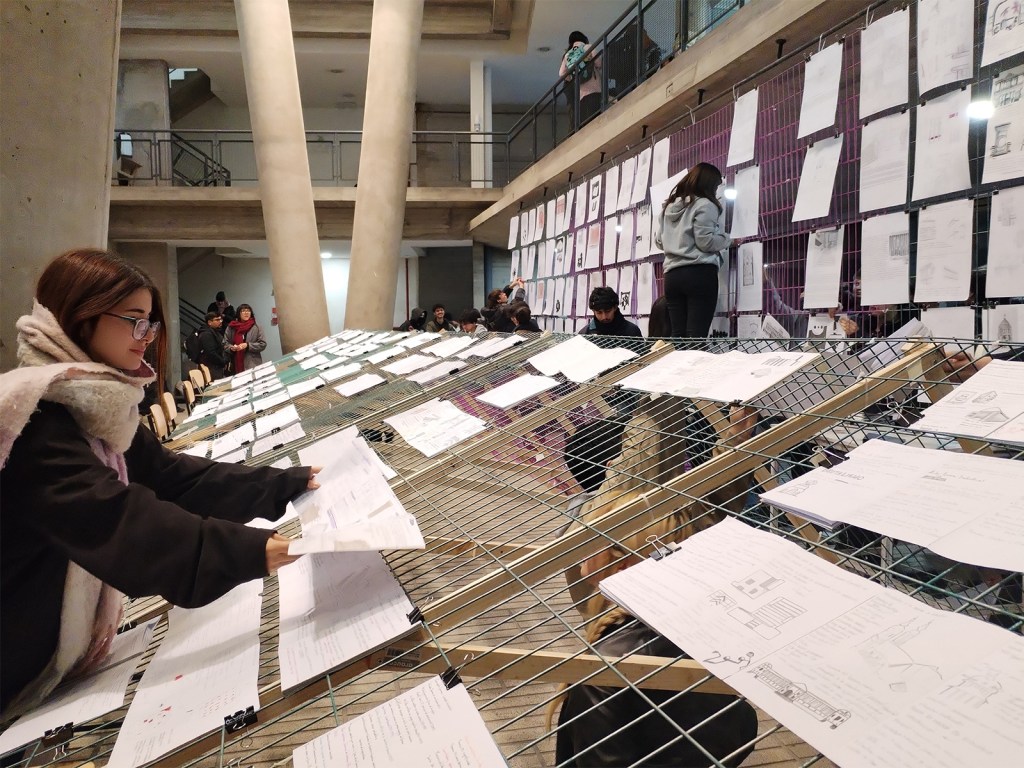
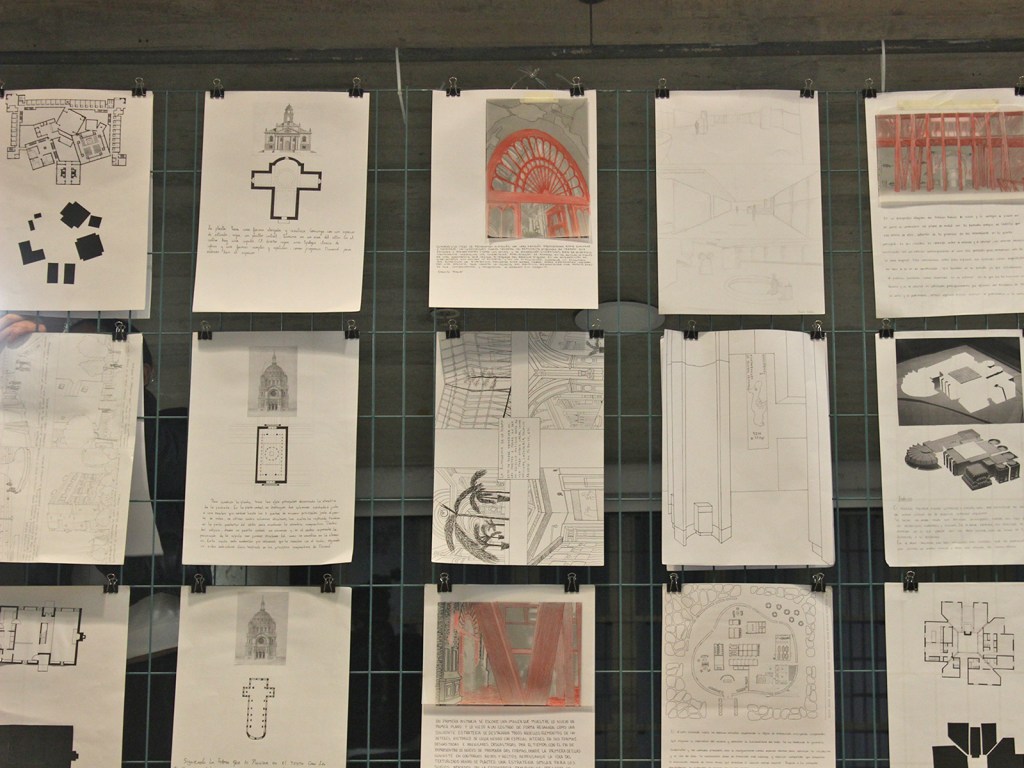
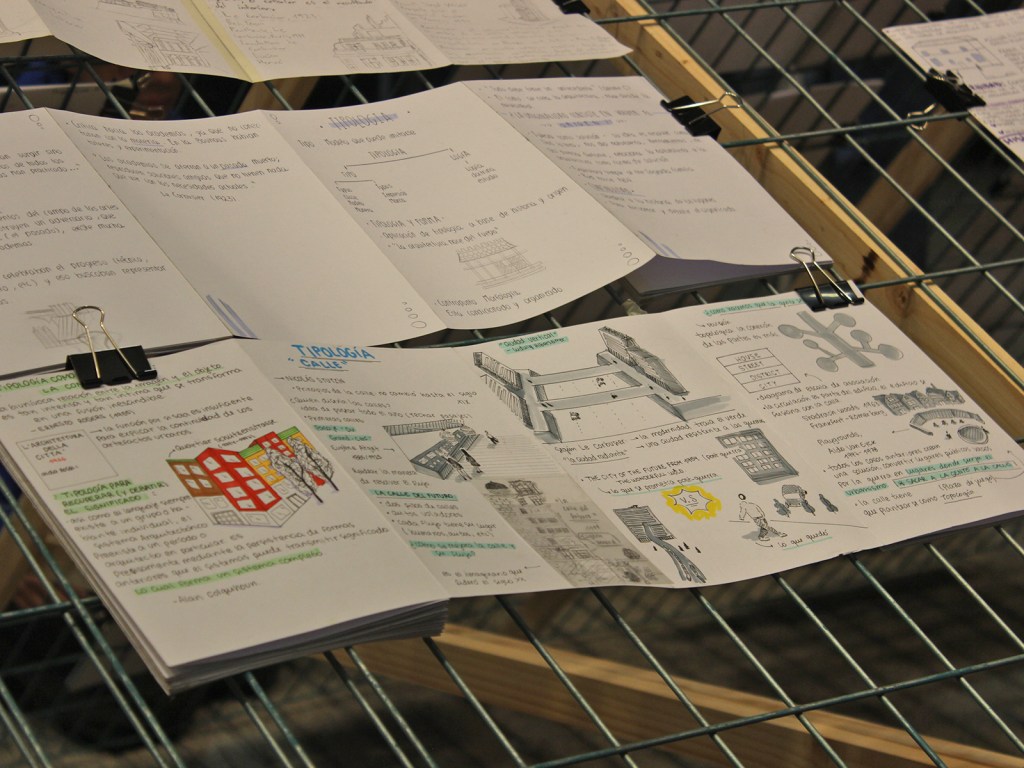
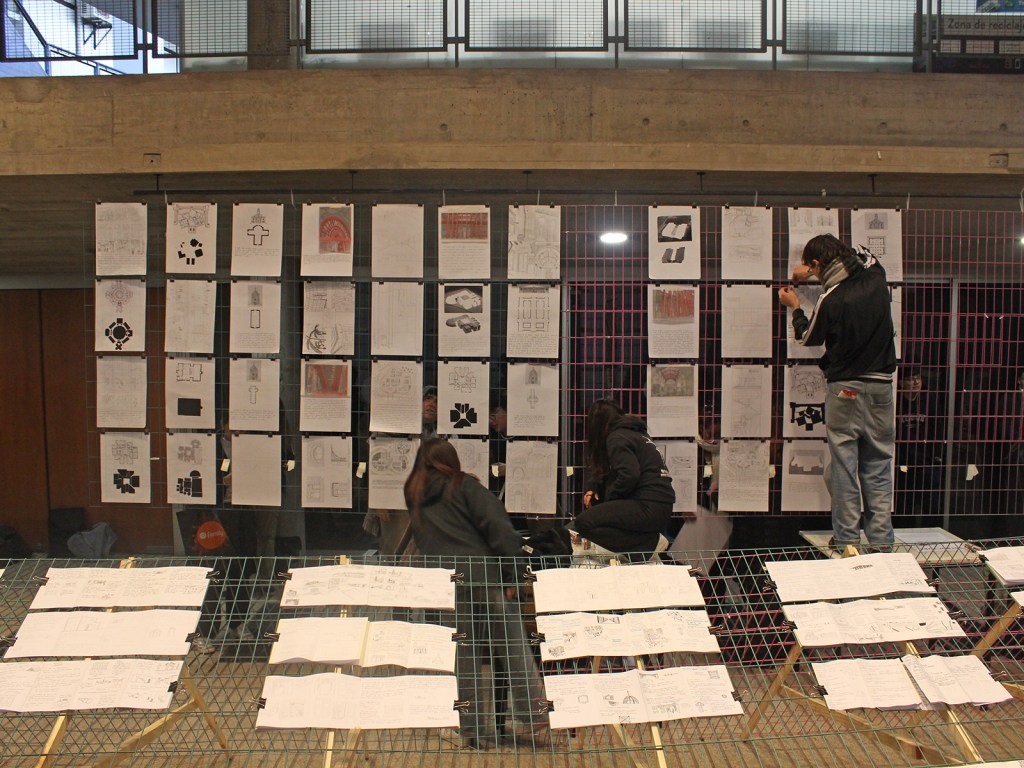
Este curso introduce al estudiantado en los fundamentos de la arquitectura, entendidos como: (1) el vocabulario esencial para describir, categorizar y cualificar el entorno construido, (2) una selección de edificios ejemplares y/o canónicos, y (3) un conjunto de técnicas de representación utilizadas tanto para registrar la ciudad existente como para proyectar nuevas arquitecturas. Tomando como referencia el vocabulario de la arquitectura moderna propuesto por Adrian Forty en su libro ‘Words and Buildings‘, el curso se estructura en torno a nueve conceptos fundamentales: espacio, forma, función, contexto, diseño, historia, tipología, estructura y orden. Estas nociones organizan las sesiones lectivas semanales, cada una a cargo de un profesor del equipo docente. Dado que su significado ha evolucionado a lo largo del tiempo, cada sesión explorará su desarrollo, presentará ejemplos arquitectónicos relevantes y ejercitará un tipo específico de representación arquitectónica. Así, el curso sigue la propuesta de Forty, según la cual las palabras, los edificios y el dibujo (y las imágenes) establecen relaciones de influencia mutua dentro de la arquitectura. Cada buen ejemplo de arquitectura que se introduce reconoce esta tradición disciplinar, pero también la desafía de manera productiva, contribuyendo a su evolución. Por ello, el curso busca no solo transmitir conocimientos fundamentales, sino también, apoyándose en la escritura, desarrollar una mirada crítica sobre cómo estos fundamentos y su interacción definen la práctica arquitectónica.
This course introduces students to the foundations of architecture, understood as: (1) the essential vocabulary used to describe, categorize, and qualify the built environment; (2) a selection of exemplary and/or canonical buildings; and (3) a set of representational techniques used both to document the existing city and to project new architectural works. Drawing on the vocabulary of modern architecture proposed by Adrian Forty in his book ‘Words and Buildings’, the course is structured around nine fundamental concepts: space, form, function, context, design, history, typology, structure, and order. These notions organize the weekly class sessions, each led by a member of the teaching staff. Since their meanings have evolved over time, each session explores their development, presents relevant architectural examples, and engages a specific mode of architectural representation. In this way, the course follows Forty’s proposal, according to which words, buildings, and drawing (and images) establish relationships of mutual influence within architecture. Each exemplary work of architecture introduced in the course acknowledges this disciplinary tradition while also productively challenging it, thus contributing to its evolution. For this reason, the course seeks not only to convey fundamental knowledge but also—through writing—to develop a critical perspective on how these foundations and their interactions shape architectural practice.


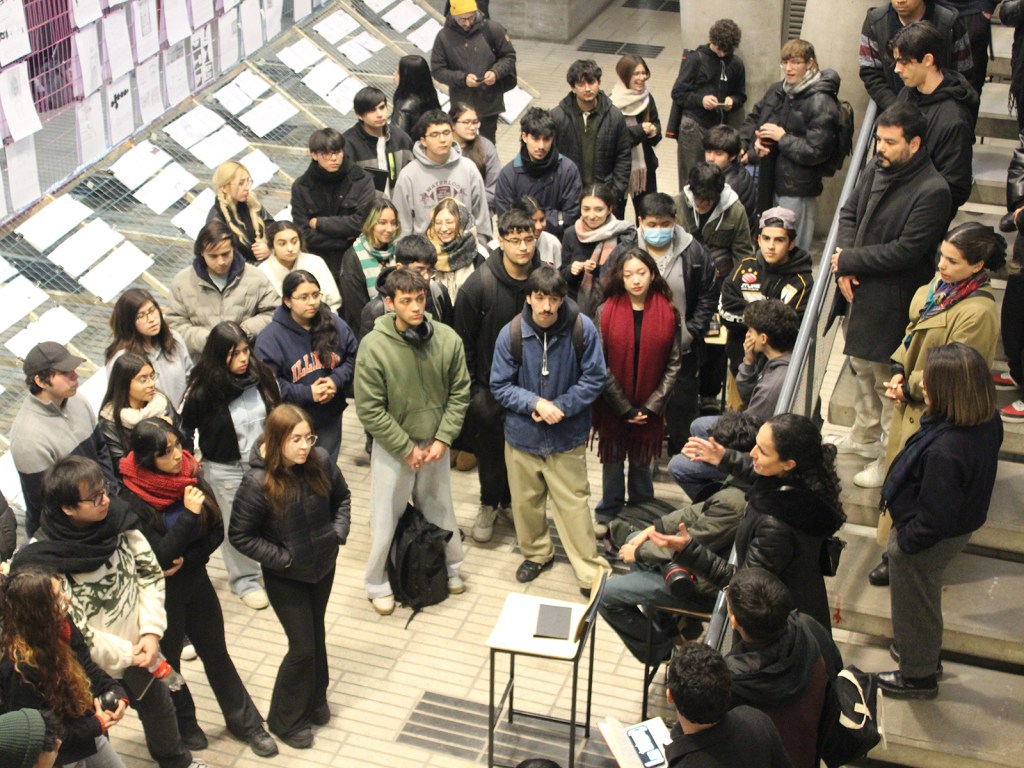
 Oscar Aceves Álvarez