co-autor: Billy Joe Bermúdez
En la revista Entre Rayas. N° 138. julio 2022. Grupo Editorial Entre Rayas C.A.
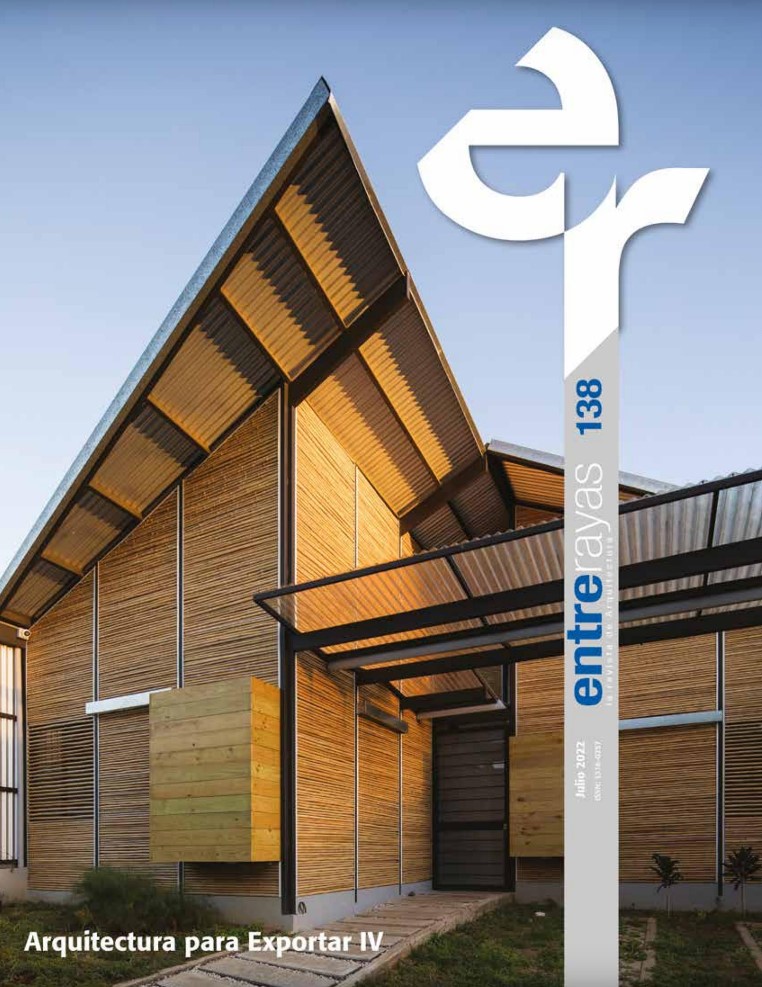
Por algunas razones fortuitas y un poco inexplicables, nos encontramos dos arquitectos venezolanos radicados en Chile, tratando de construir un relato sobre ‘las arquitecturas del otro lado del mundo’ a partir de la pregunta que nos han planteado los editores de Entre Rayas: ¿cómo perciben el trabajo que están realizando los arquitectos venezolanos desde donde ustedes se encuentran? Esta pregunta aparentemente inocente, es un recordatorio tácito del éxodo inédito y evidente de compatriotas fuera del país. A pesar de enorgullecernos de nuestras raíces mestizas y multiculturales, los venezolanos no estábamos acostumbrados, por lo menos en carne propia, a ser migrantes masivos. Actualmente muchos amigos, colegas o compañeros de estudio se encuentran en destinos tan cercanos como Sudamérica o El Caribe, hasta más lejanos como Europa, e incluso en Asia u Oceanía. En el caso de Chile, un simple vistazo nos permite reconocer que la mayoría de los arquitectos venezolanos se encuentran desarrollando proyectos de las más diversas escalas en alguna oficina u inmobiliaria. Sin embargo, no queriendo generalizar ni mucho menos obviar prácticas independientes, consideramos que este ejercicio asociado al diseño y construcción de obras no representa aún una masa crítica considerable sobre la cual basarnos para hacer una lectura transversal y abordar la consulta que nos convoca.
For some fortuitous and somewhat inexplicable reasons, we found ourselves, two Venezuelan architects living in Chile, trying to build a story about ‘architectures from the other side of the world’ based on the question that the editors of Entre Rayas have posed to us: how Do you perceive the work that Venezuelan architects are doing from where you are? This seemingly innocent question is a tacit reminder of the unprecedented and evident exodus of compatriots out of the country. Despite being proud of our mestizo and multicultural roots, we Venezuelans were not accustomed, at least in our own flesh, to being mass migrants. Currently, many friends, colleagues or fellow students are in destinations as close as South America or the Caribbean, as far away as Europe, and even in Asia or Oceania. In the case of Chile, a simple glance allows us to recognize that the majority of Venezuelan architects are developing projects of the most diverse scales in an office or real estate agency. However, not wanting to generalize, much less ignore independent practices, we consider that this exercise associated with the design and construction of works does not yet represent a considerable critical mass on which to base ourselves to make a transversal reading and address the consultation that calls us.
co-autor: Miguel Fernández
En la revista Entre Rayas. N° 138. julio 2022. Grupo Editorial Entre Rayas C.A.
Bajo la insolación inclemente del árido desierto de Atacama aún es posible apreciar los vestigios de las culturas prehispánicas que habitaron estos parajes muchos años atrás. A pesar de que actualmente San Pedro de Atacama y sus alrededores cuentan con una amplia oferta turística asociadas a los valores geográficos y culturales, el Tambo de Catarpe suele pasar desapercibido por los visitantes que transitan entre el pueblo de Catarpe y los sectores de El Túnel y la Garganta del Diablo. Esto se debe, principalmente, a que debido al paso del tiempo las condiciones de habitabilidad que proporcionaba el antiguo tambo han desaparecido casi en su totalidad. El Tambo de Catarpe E ha perdido casi toda su infraestructura original, y, por lo tanto, el significado que estaba asociado a este: refugio para los viajeros. La propuesta busca entonces resignificar y poner nuevamente en valor el Tambo de Catarpe E a partir de la implantación de un artefacto que, sin afectar el valor arqueológico de los vestigios de las ruinas del tambo incaico, propicie su integración al sistema de recorridos turísticos de San Pedro de Atacama.
Under the harsh sunlight of the arid Atacama Desert, it is still possible to appreciate the vestiges of the pre-Hispanic cultures that inhabited these places many years ago. Although San Pedro de Atacama and its surroundings currently have a wide tourist offer associated with geographical and cultural values, the Tambo de Catarpe usually goes unnoticed by visitors who travel between the town of Catarpe and the sectors of El Túnel and The devils throat. This is mainly due to the fact that, due to the passage of time, the habitable conditions provided by the old dairy farm have almost completely disappeared. The Tambo de Catarpe E has lost almost all of its original infrastructure, and, therefore, the meaning that was associated with it: refuge for travelers. The proposal then seeks to give new meaning and value again the Tambo de Catarpe E through the implementation of an artifact that, without affecting the archaeological value of the vestiges of the ruins of the Inca tambo, promotes its integration into the system of tourist tours of San Pedro of Atacama.
 Oscar Aceves Álvarez