Workshop LC-50
Workshop LC-50: 20 ideas de espacio público para Santiago.
Equipo / Team: Noelia Caro, Antonio Henríquez, Elías Parra, Gonzalo Peña, Guillermo Rojas.
Tutor / Tutor: Oscar Aceves Álvarez.
Curso / Course: 2016-S2
Propuesta reconocida con el 3er lugar de la categoría Santiago / Proposal recognized with the 3rd place of the Santiago category.
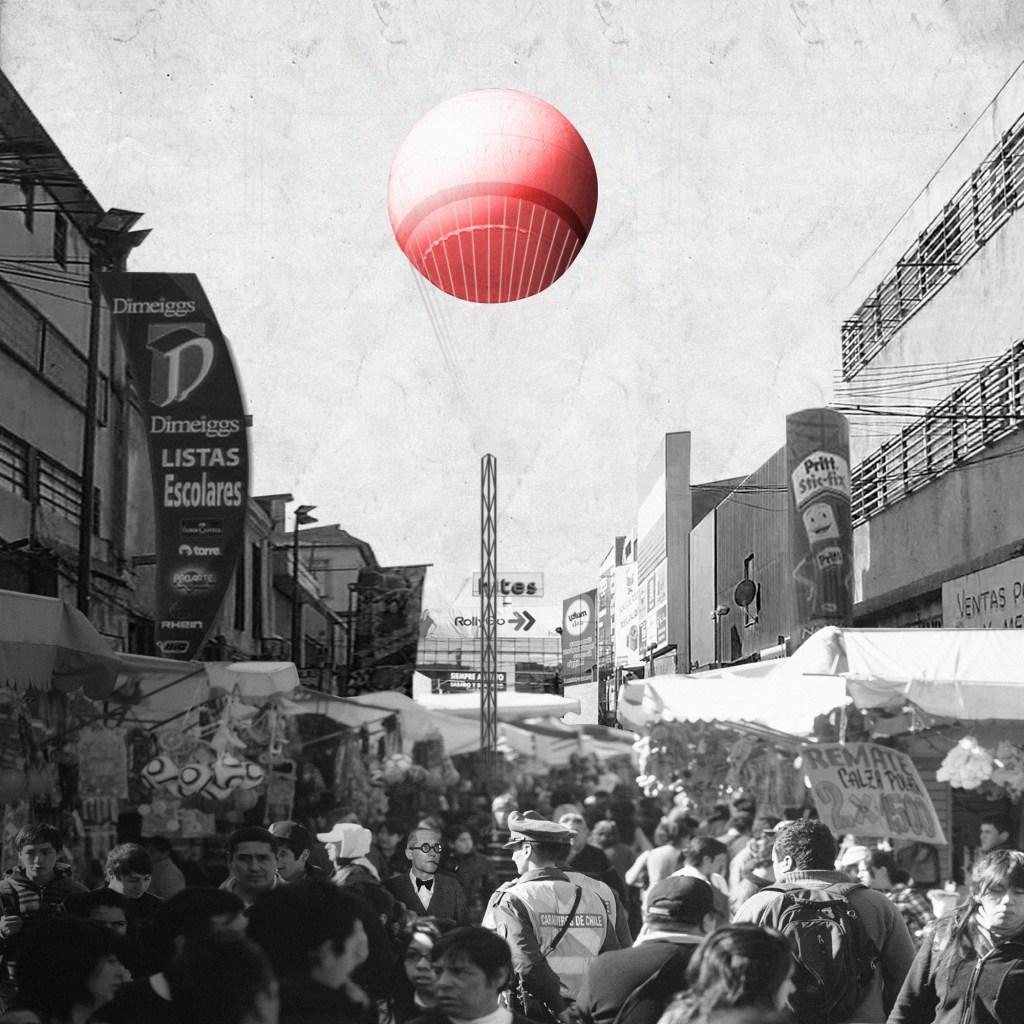
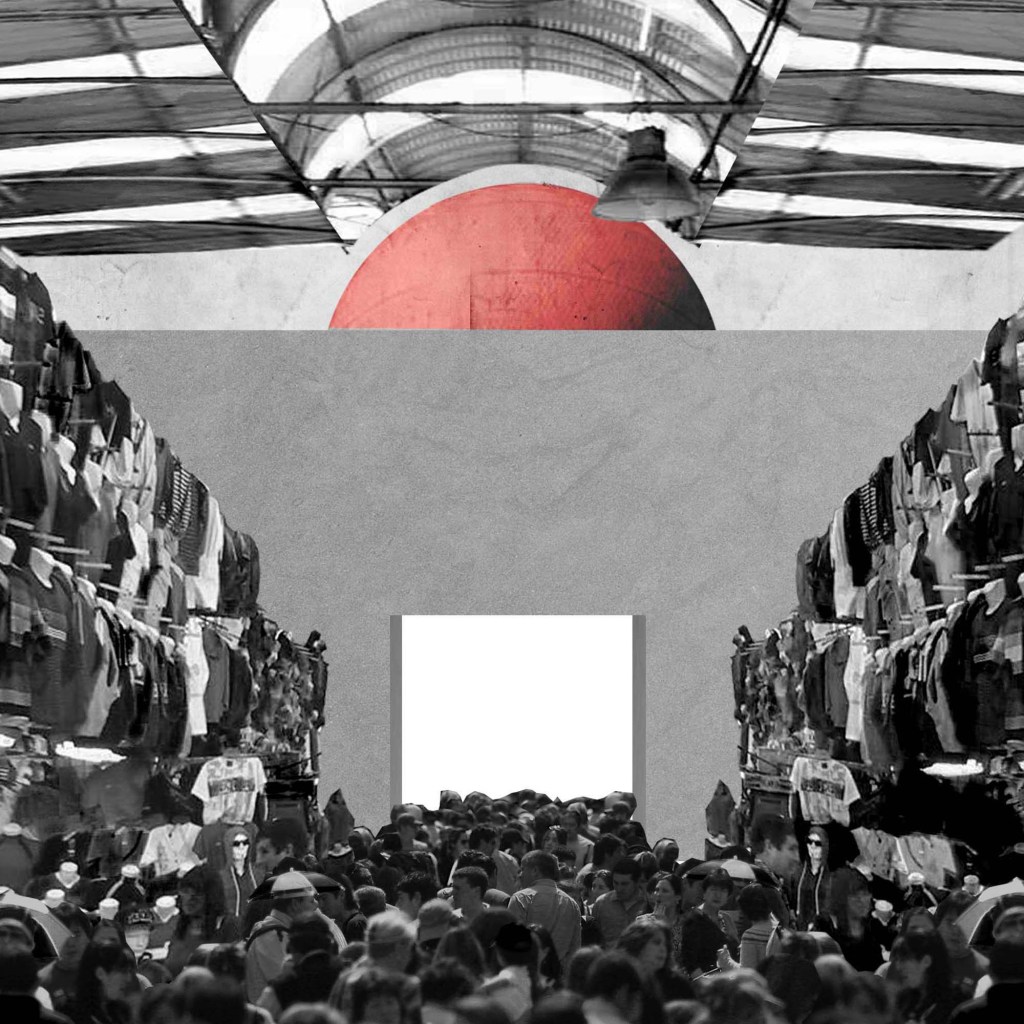
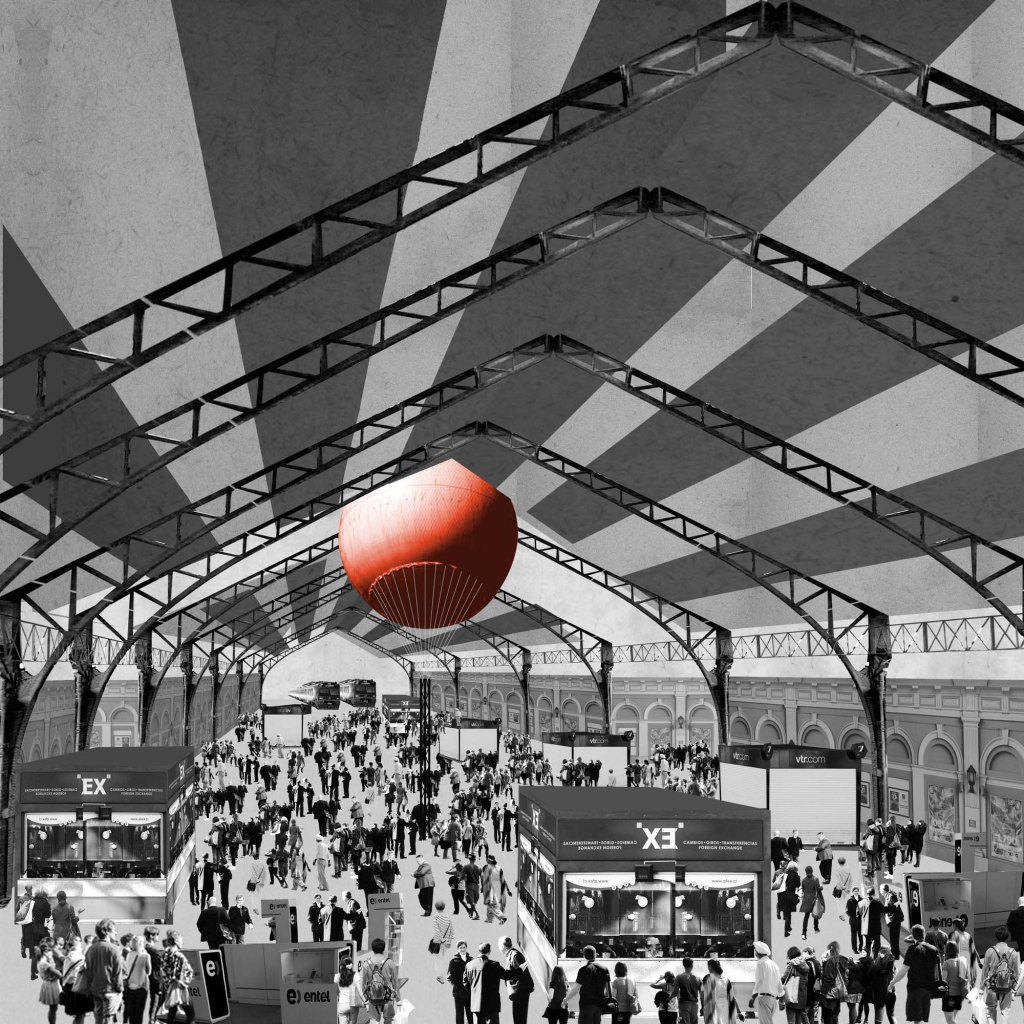
En el marco del aniversario número 50 de la muerte de Le Corbusier, se ha organizado una serie de actividades cuyo fin es reinterpretar la obra y teoría del destacado arquitecto. En este sentido, el workshop LC50 girará en torno al análisis y propuestas de espacio público en 20 lugares de gran valor simbólico y cultural para la capital, tales como la Plaza Italia, el Río Mapocho, el Costanera Center, el Persa Biobío, la Estación Central y la Ruta 68 en Lo Prado, entre otros. Estimulando no solo una crítica hacia cómo se materializa hoy la arquitectura bajo un modelo económico específico y generalizado en gran parte de las capitales de América Latina, sino también provocando una respuesta a dichas problemáticas de la ciudad (segregación, hiper densificación, gentrificación, colapso vial, inseguridad) desde el diseño urbano a escala humana. Circuito Estación Comercial. La Estación Alameda de trenes es una infraestructura rodeada por sectores y construcciones de alta intensidad comercial; desde un comercio formalizado y estandarizado hasta un comercio informal y precarizado, lo que ha llevado a una evolución continua de la identidad del lugar y una definición particular de espacio público: un espacio de tránsito colonizado por la actividad comercial. Si bien esta actividad merma y reduce el espacio público debido a la mercantilización, anarquía (que no responde a lógicas de organización y diseño previo sobre este espacio) y la búsqueda de beneficios propios, los mismos usuarios lo han revalidado en el tiempo, manteniendo y aumentando el fin comercial sobre el espacio público. Esta situación hace pensar en que la actividad, tanto en la práctica como en el espacio, solo ha de crecer aún más, planteando la concepción de espacio público subordinado a la actividad comercial y colocándolos en permanente conflicto. Se propone trabajar sobre una mirada realista, siendo conscientes del caos más que trabajar en base a una postura platónica. Se concluye que el espacio público, por más que se amplíe y se modifique, siempre será colonizado por el comercio, ya que responde a lógicas propias y de flujos, mas no a límites impuestos. En base a esto, se plantea una intervención que lleve al límite dicha confrontación, evidenciando los paradigmas que supone la idea de subordinar el espacio público a la actividad comercial. La propuesta consiste en unir peatonalmente Meiggs con el Persa Estación, siendo la estación de trenes el espacio vinculante y generatriz del flujo, formando un circuito comercial. Este circuito funciona tanto al interior como al exterior, permeando y aumentando la aglomeración comercial que se ejerce en el sector oriente hacia el sector poniente.
Within the framework of the 50th anniversary of the death of Le Corbusier, a series of activities has been organized in order to reinterpret the work and theory of the outstanding architect. In this sense, the LC50 workshop will revolve around the analysis and proposals of public space in 20 places of great symbolic and cultural value for the capital, such as Plaza Italia, the Mapocho River, the Costanera Center, the Persian Biobío, the Central Station, and Route 68 in Lo Prado, among others. Stimulating not only a critique of how the architect materializes today under a specific economic model widespread in much of Latin America’s capitals, but also provoking a response to these problems of the city (segregation, hyperdensification, gentrification, road collapse, insecurity) from urban design to a human scale. Commercial Station Circuit. The Alameda Train Station is an infrastructure surrounded by sectors and buildings of high commercial intensity; from a formalized and standardized trade to informal and precarious trade, which has led to a continuous evolution of the identity of the place and a particular definition of public space: a transit space colonized by commercial activity. Although this activity reduces and diminishes the public space due to commercialization, anarchy (which does not respond to the logics of organization and previous design in this space) and the search for personal benefits, the same users have revalidated it over time, maintaining and increasing the commercial purpose over the public space. This situation suggests that the activity, both in practice and space, only has to grow even more, proposing the conception of public space subordinated to commercial activity and placing them in permanent conflict. It is proposed to work with a realistic outlook, being aware of the chaos rather than operating based on a Platonic position. It is concluded that public space, no matter how much it is extended and modified, will always be colonized by commerce since it responds to its own logics and flows but not imposed limits. Based on this, an intervention is proposed that takes this confrontation to the limit, demonstrating the paradigms that suppose the idea of subordinating public space to commercial activity. The proposal consists of uniting pedestrian Meiggs with the Persian Station, making the train station the binding and generating space of the flow, forming a commercial circuit. This circuit works both inside and outside, permeating and increasing the commercial agglomeration exerted in the eastern sector towards the western sector.

 Oscar Aceves Álvarez